
Plots in Burgos - buy, sell or rent easily

Find plots by category in Burgos (Province)


Plots for sale with most wanted features
- Urban 28
- Developable 10
- Non developable 20


Latest publications of land and houses for sale in Burgos (Province)
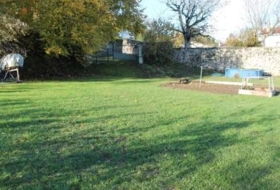
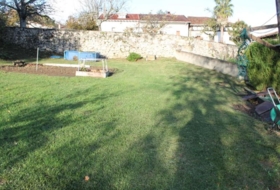
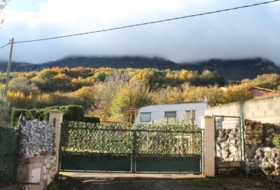
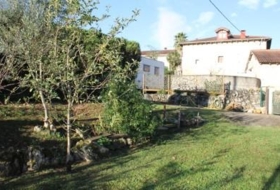
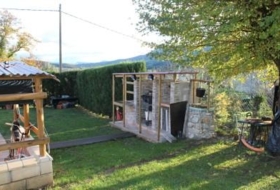

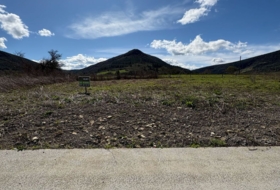
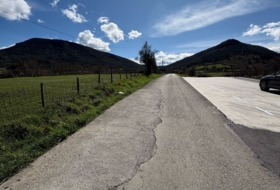
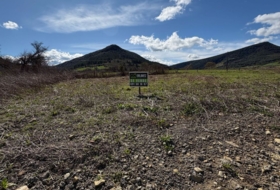
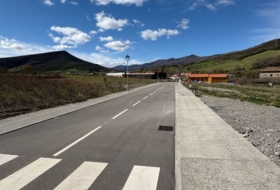
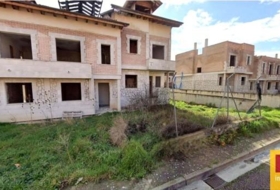
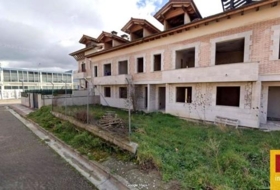
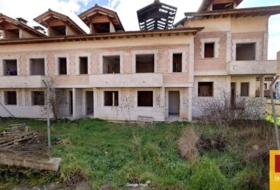
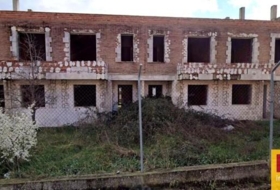
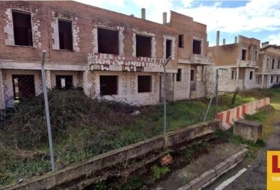
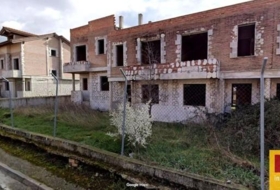
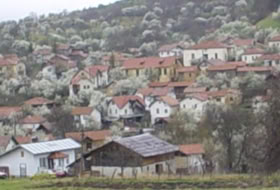


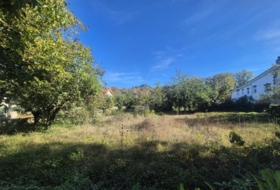
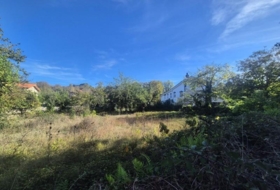
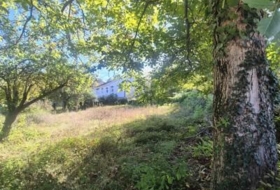
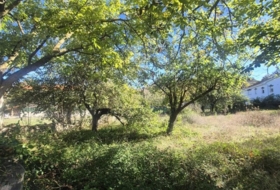
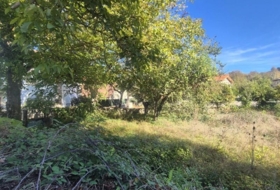
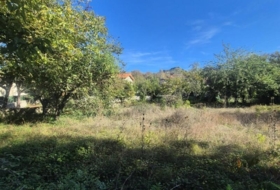
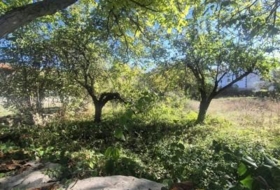
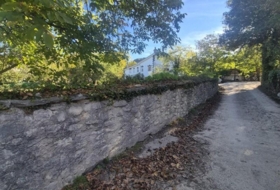
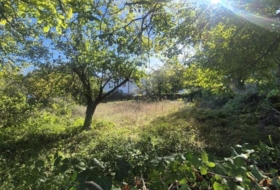
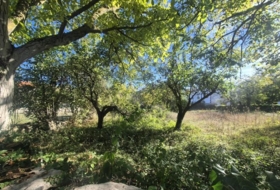
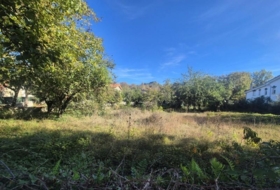
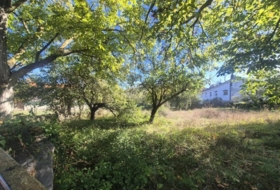
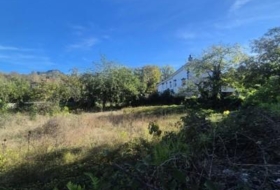
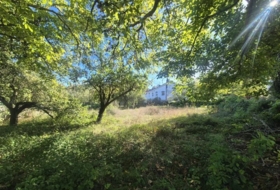
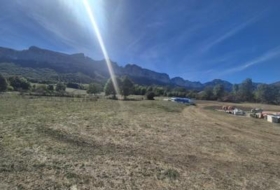
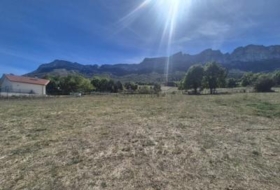
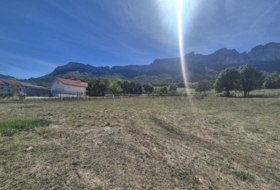
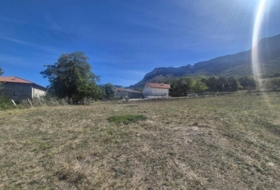
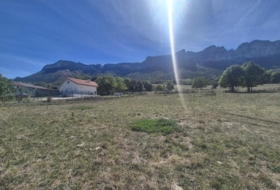
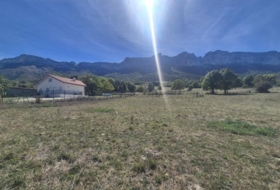
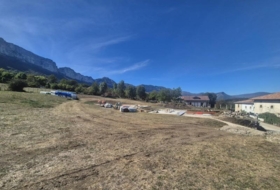
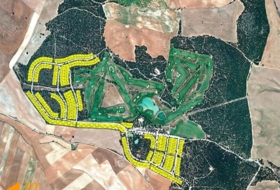
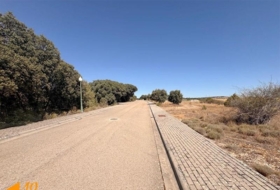
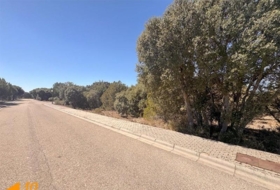
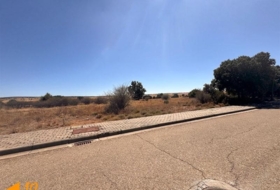
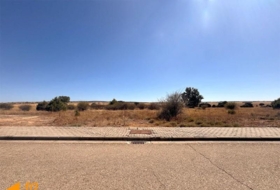
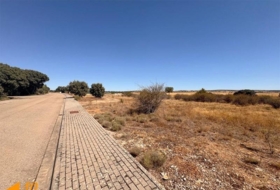
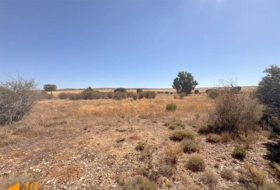
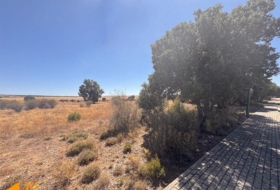
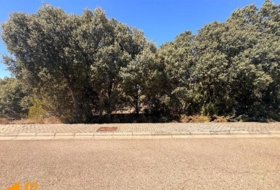
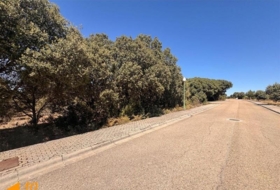


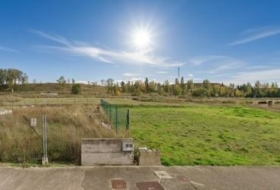
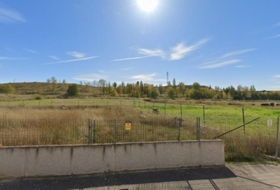
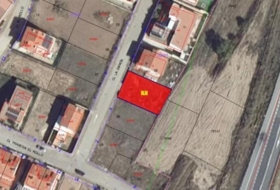
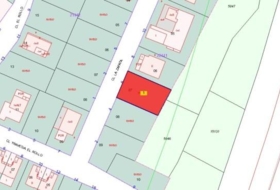
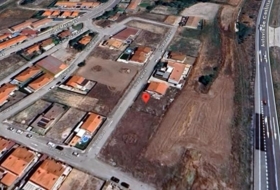
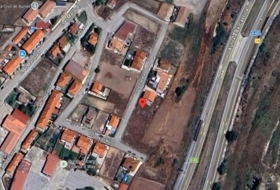
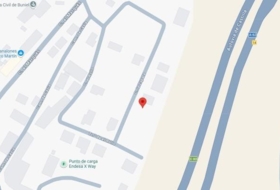
Where to buy land in Burgos
In Burgos, the price of urban land for sale varies greatly from one area to another. It is an industrialised province, with its population concentrated in the large towns. The most expensive urban plots are in municipalities such as Entrambasaguas, Medina de Pomar, Villarcayo, Saldaña de Burgos, Villagonzalo Pedernales and Villasana de Mena. Building plots are in a similar situation, as they are also in high demand.
Meanwhile, the cheapest land for sale in Burgos is found in Mazuela, Nava de Roa, Gijano, Espinosa de los Monteros and Sopeñano. This is due to the wide availability of rural land in the province.
A high-lying landscape
The climate is shaped by the terrain, especially the altitude of these lands of the Meseta, and has the typical features of the continental Mediterranean climate: long, cold and dry winters and mild summers. The far north of the province is influenced by the Atlantic climate.
These conditions produce a great variety of landscapes and relief, with a succession of mountains, valleys and plains. It is one of the highest-lying provinces in Spain, situated between the Cantabrian Mountains and the Iberian System, which are home to several protected areas.
About 23% of the territory is forest land. The province has more than 600 Public Utility Forests (317,000 hectares), and their number grows every year.
Pine, broadleaf, holm oak, Pyrenean oak and beech forests grow in the mountainous areas and are used for timber production. Riverside woodland grows along the streams, and pastures cover the slopes.
The best soils for farming are in the river valleys of the province, where fruit growing and horticulture predominate.
A population concentrated in the largest towns
The province of Burgos covers an area of 14,292 km² and has a population of 356,958. It is the third most populous province in Castilla y León. Its population is unevenly distributed: most inhabitants live in the capital and the larger towns, such as Aranda de Duero and Miranda de Ebro, which are more industry-oriented. This is where the greatest development of urban and industrial land and infrastructure has taken place, driving urbanisation. In the countryside, by contrast, villages are smaller and losing population.
A solid and diversified economy
The province of Burgos belongs to the autonomous community of Castilla y León and lies in the north of Spain. It covers 14,292 km² and has very good connections with the rest of Spain and Europe. The province offers a good standard and quality of living, thanks to its public safety and the wealth generated by its varied economy.
The economy of Burgos is well established. It is one of the most industrialised provinces in the country, which gives it great economic stability. It also has modern infrastructure and good transport links that make it easier to export its products.
Because the province is so diverse, each of its districts offers particular conditions for different types of businesses, such as renewable energy, logistics and agro-industrial products.
In terms of GDP, services (which need further specialisation) come first, followed by industry (above the national average), construction, agriculture and energy.
The countryside is particularly important, as agriculture and livestock farming contribute a higher share of GDP than the Spanish average.
Dry farming
The primary sector accounts for around 1% of businesses in Burgos and is one of the largest contributors to the region's agricultural income (more than 13%).
About two thirds of the territory is utilised agricultural area. Rural land covers around 1,000,000 hectares, given over to arable crops (mainly cereals), pasture and forest plantations. Burgos is one of the largest cereal producers in Spain.
Dry-farmed crops occupy the largest area: vines, cereals (barley and wheat), oilseeds, fodder crops, sunflowers and potatoes. The small irrigated area is planted with vegetables and sugar beet for the agri-food industry.
The wine sector also has several Designations of Origin: Ribera del Duero, Vino de Calidad de Arlanza and Rioja.
Livestock farming is extensive and includes sheep, goats, pigs and cattle, raised for meat, milk and wool.
The animals graze on meadows and pastures and are also fed with local crops, producing high-quality meat with a Designation of Origin.
The regional government (Junta) supports the sector with various grants to encourage generational renewal and the creation of new agri-food businesses.
A diversified, international industry
Burgos is the most industrialised province in Castilla y León.
Thanks to its manufacturing history, which began to develop in the second half of the 20th century, it now has a strong, diversified, specialised and competitive industrial base. Industry accounts for around 27% of the province's GVA.
The most important sectors, which account for more than 70% of industrial employment, are pharmaceuticals, chemicals, automotive, metal products, rubber and plastics, machinery and equipment, aeronautics and agri-food.
In recent years, food and drink has been one of the fastest-growing industries.
The province mainly manufactures semi-finished goods that are incorporated into other production processes for final processing, specialised components for end products, and finished goods.
Products made in Burgos are sold across Spain, Europe and the rest of the world.
Industry has shaped the structure of urban space, with industrial estates that group production activities by sector. The province has around 25 million square metres of industrial land on developed or planned industrial estates, classified in urban planning.
The city of Burgos alone has more than 2,000 hectares of developed industrial land. It concentrates a large number of companies in its urban area and more than 7% of the region's production facilities.
The authorities encourage companies to set up here by offering discounts on industrial land and other incentives for investment in the industrial estates across the province.
An energy sector going green
In recent years, the energy sector has been modernising with new, cleaner and more environmentally friendly energy sources. Until a few years ago, an oil field was exploited in La Lora; wind turbines now dot its landscape. The area was also home to the oldest nuclear power plant in the country, now closed and being dismantled. Today the focus is on cogeneration, popular for its efficiency and use of energy resources, for example through biomass or the treatment of waste (slurry) to produce heat.


